Alexander Technique lessons with William McBride
Available in Parkville and South Melbourne
What is the Alexander Technique?
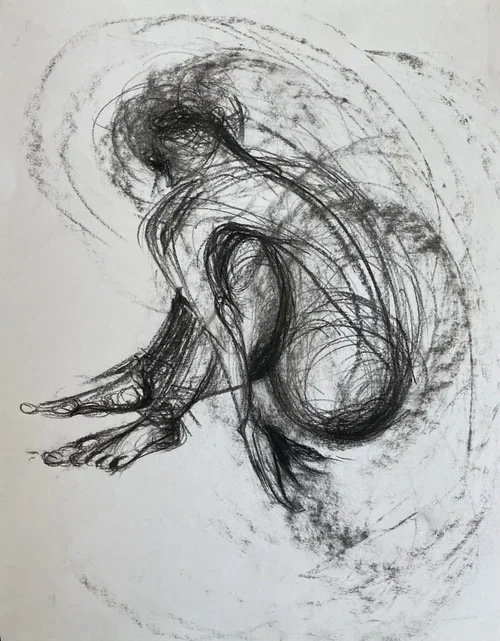
The Alexander Technique offers a finely-tuned process of re-education of ‘the use of the self’ – the habitual patterns of movement, bearing, tension, thought and decision making that shape the conditions of our lives.
During one-on-one lessons, these patterns are analysed, made conscious, challenged and changed. This learning process is both physical and mental – the technique understands the human experience as inherently ‘psychophysical’: your thoughts affect your body and its movements, and your body and its movements affect your thoughts.
The intended effect of Alexander Technique lessons is improved psychophysical coordination. Depending on the individual, this can lead to:
The resolution of chronic musculoskeletal aches and pains
Injury rehabilitation
Improved posture
Enhanced vocal capacity and technique, improved speech
Improved quality of attention
Reduced anxiety, reactivity and tendency to distraction
Improved performance across artistic, musical, sporting, professional and everyday activities.
Its application reaches into all dimensions of human experience.
People usually come to lessons when something keeps going wrong (e.g., a recurrent injury, a chronic health challenge, a behavioural blindspot), or when they want to improve their performance and wellbeing in a particular area of life.
Though its effects – especially over the long-term – are therapeutic, the technique is best understood as a pedagogical process. It offers a teacher and student relationship centred around learning and unlearning, rather than a therapist and client/patient relationship focused on passive receipt of treatment. This important distinction becomes more clear as the lessons progress, with students attaining growing agency over their own use and how to improve their own wellbeing.
It is an iterative process, and it can be calibrated to everyone, to everybody. Its principles are straightforward, but each of us carries a unique and intricate constellation of habits and histories, so the approach to lessons differs from person to person. My teaching approach includes a combination of ‘hands-on’ guidance, verbal instructions and visual demonstrations, with students taken through a series of simple every-day tasks or exercises that allow us both to see their use in action.
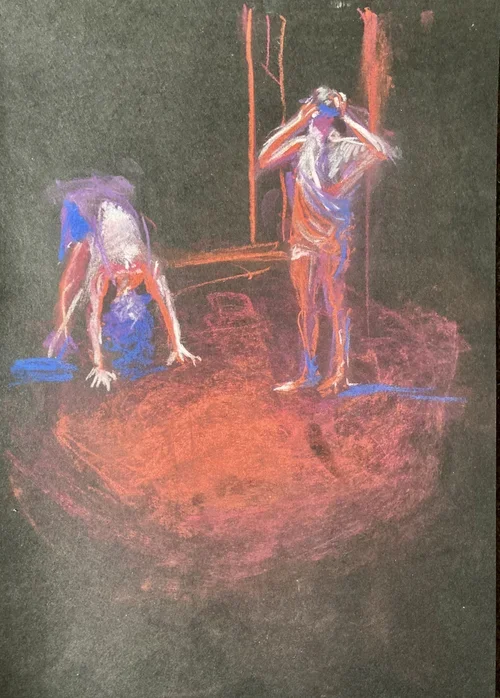
The Alexander Technique was founded by Tasmanian F. Matthias Alexander (1869–1955), who published several books on his findings. ‘The Use of the Self’ (1932) is a good place to start.
Frequently Asked Questions
-
We will begin by discussing your reasons for coming, and establish a basic shared understanding of the technique and how it might apply to your individual circumstances.
The lesson will include hands-on guidance, and verbal instruction, as you are taken through a series of simple exercises (the most common being the act of getting in and out of a chair/sitting and standing). We may also do some table work, which involves you lying on a massage table and having your limbs gently manipulated.
-
Loose fitting clothing that won’t restrict your movement. It’s best not to wear singlets.
-
Like most learned activities, the benefits compound over time. A rough guide is 5 lessons to attain a basic understanding of the technique as it applies to you, and at least 10 lessons to experience meaningful or enduring change.
Book a lesson
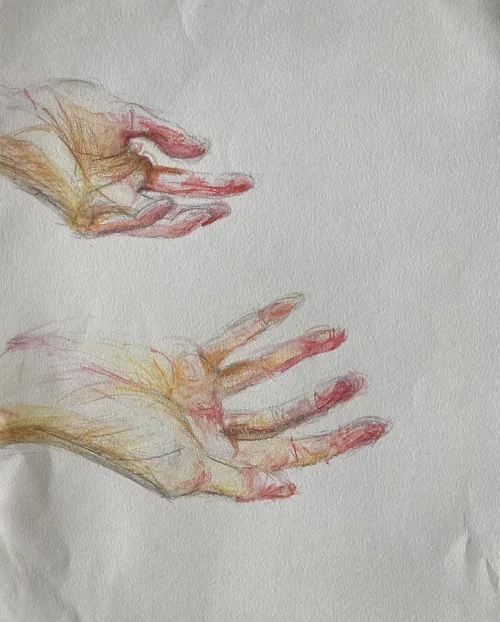
Lessons are currently available in Parkville and South Melbourne, weekdays between 8–10am. Individual lessons are $100. 5-lesson packs are $400. Lessons are 45 minutes long.
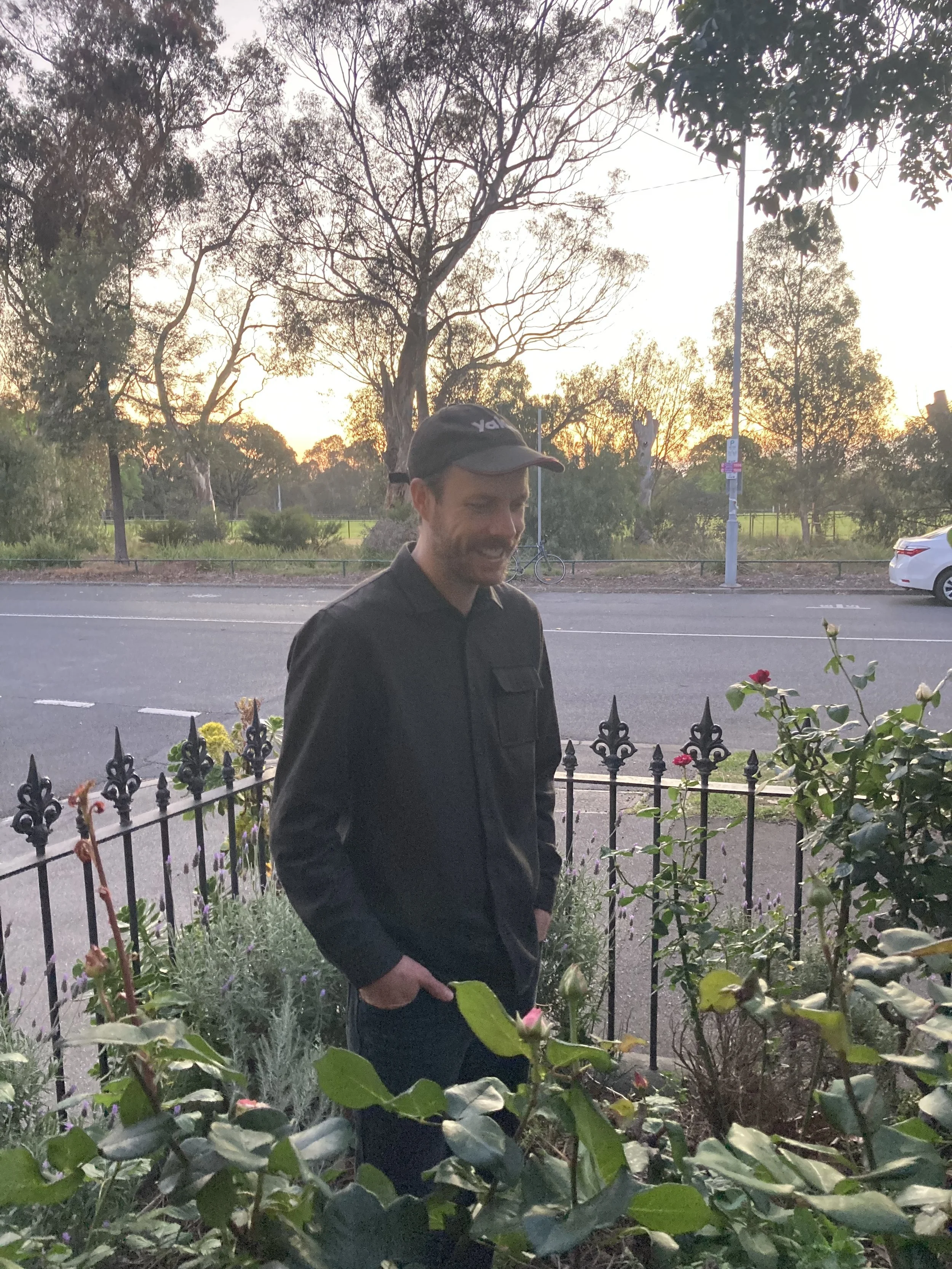
William McBride trained as an Alexander Technique Teacher with the School of FM Alexander Studies (SoFMAS) in Melbourne. His teachers have included David Moore, Jenny Thirtle and Jeando Masoero.
William’s practice is also informed by his professional background and training as a performer, movement practitioner and choreographer, his tai chi practice, and by his experience of central nervous system impairment from Multiple Sclerosis.